
Introduction: Why Jewellery Photography Is More Than Just a Photo
Jewellery photography sits at the intersection of precision, storytelling, and visual emotion. Unlike many other forms of product photography, jewellery demands a level of detail, control, and styling intent that goes far beyond simply “capturing an object.”
Every reflection matters. Every shadow counts. Every composition choice either elevates a piece—or flattens it.
Flat lay and still life jewellery photography, in particular, has become one of the most powerful tools for modern eCommerce brands, boutique jewellers, and luxury designers. It allows brands to create a visual identity that feels curated, intentional, and emotionally compelling.
This is the space where I work.
As a commercial photographer based in Queensland, I’ve built my practice around high-end product imagery, with a strong focus on jewellery, flat lays, and still life composition. It’s not just what I do—it’s what I genuinely love creating.
What Is Flat Lay Jewellery Photography?
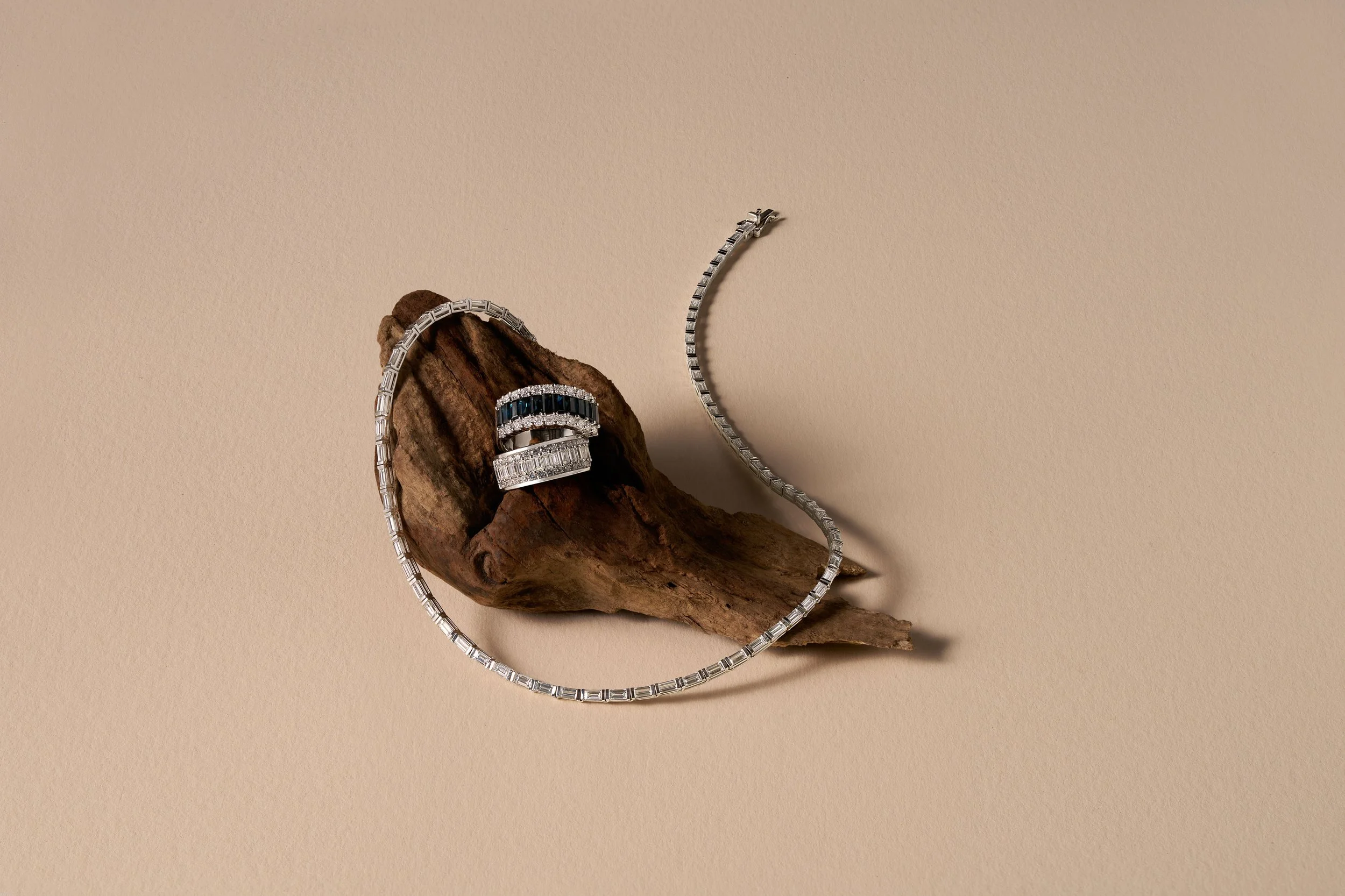
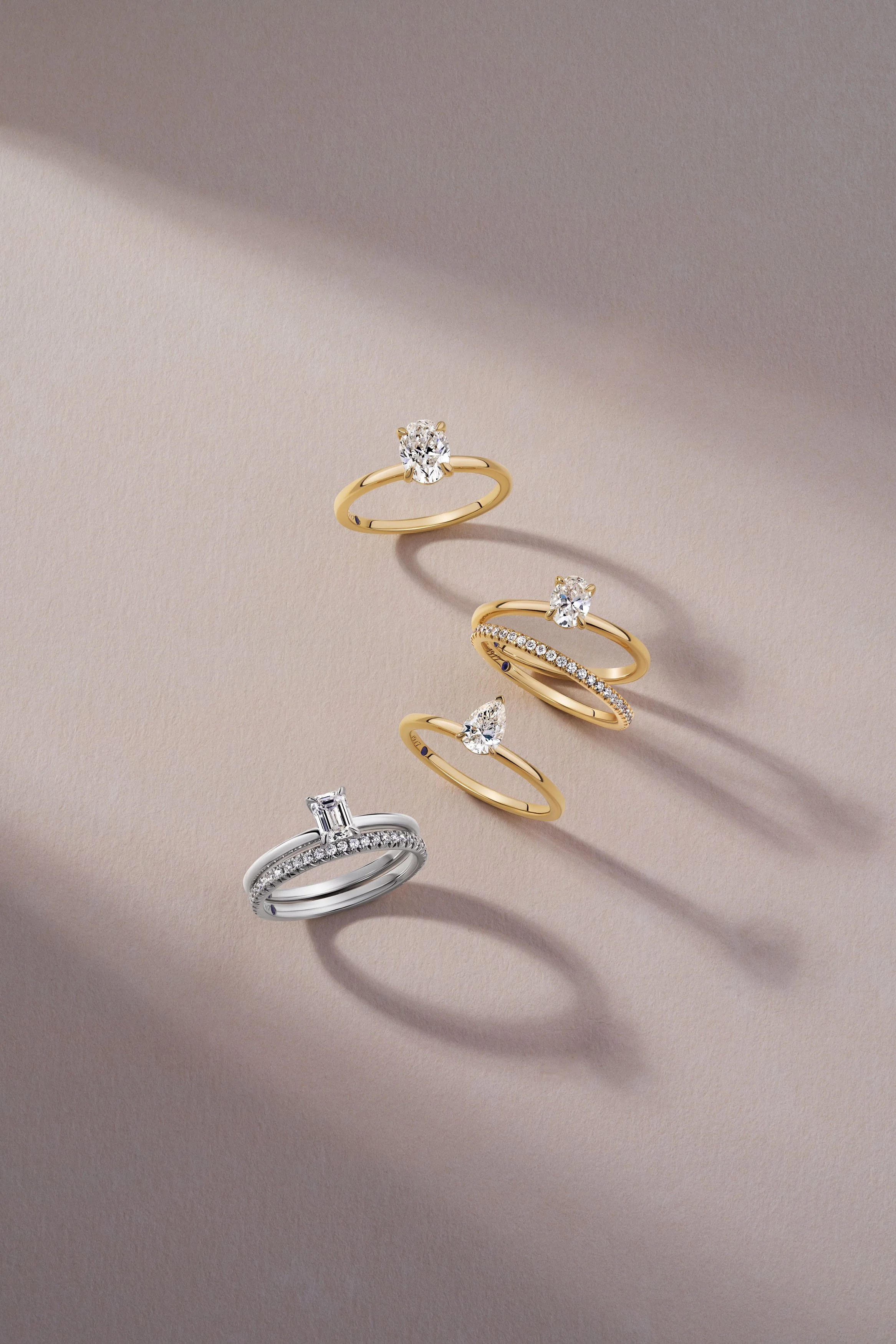
Flat lay jewellery photography is the art of arranging jewellery and supporting elements on a flat surface and photographing them from above.
It sounds simple, but it’s one of the most technically and stylistically demanding forms of product photography.
A successful flat lay must balance:
Composition and negative space
Lighting consistency and softness
Material textures (gold, silver, gemstones, fabrics)
Brand storytelling through props and styling
Colour harmony and visual hierarchy
In jewellery specifically, flat lays are used for:
eCommerce product listings
Campaign imagery
Instagram and social media content
Lookbooks and editorial storytelling
A strong flat lay doesn’t just show jewellery—it positions it within a lifestyle, mood, or identity.

Still Life Jewellery Photography: Creating Emotion Through Objects
Still life jewellery photography expands beyond the structured overhead flat lay. It introduces depth, perspective, and often a more cinematic approach.
Where flat lays are controlled and graphic, still life compositions are expressive and atmospheric.
They often include:
Draped fabrics and textured surfaces
Natural elements like stone, wood, or botanicals
Directional lighting for mood and depth
Layered compositions with intentional imperfection
Still life photography allows jewellery to feel alive. It transforms metal and gemstones into emotional objects—pieces that feel like they belong in a story rather than a product catalogue.
This is where jewellery stops being just a product and starts becoming desire.
Why Styling Is Everything in Jewellery Photography
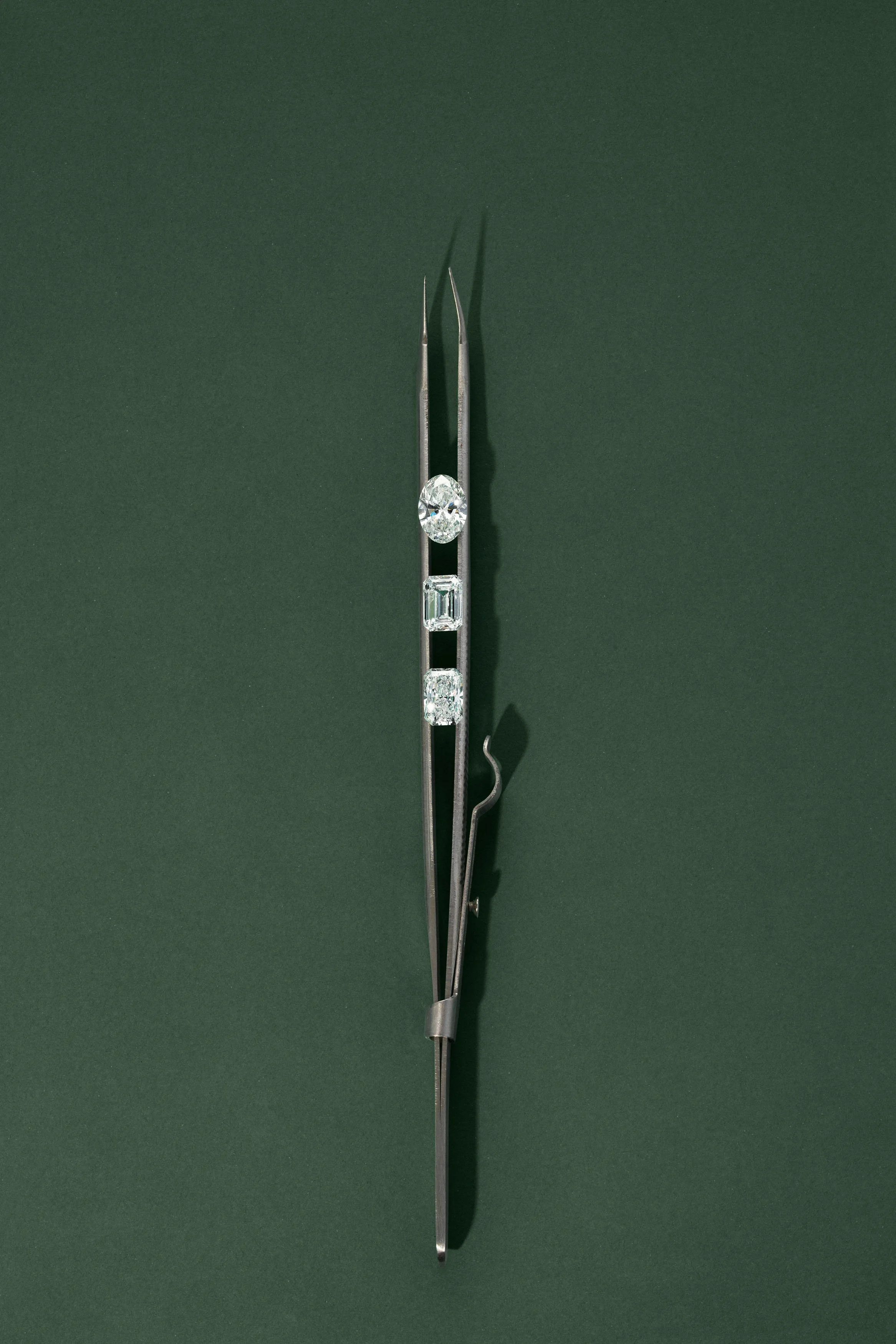
Styling is the invisible architecture behind every strong jewellery image.
A poorly styled shot will make even the most expensive piece feel average. A well-styled shot can elevate a simple design into something aspirational and luxurious.
Key Styling Principles I Use:
1. Intentional Simplicity
Jewellery should never feel crowded. Negative space is as important as the subject itself.
2. Material Contrast
Pairing metals with organic textures (linen, stone, timber) creates visual tension and interest.
3. Colour Control
Styling palettes are deliberately restrained to avoid competing with gemstones and metal tones.
4. Scale Awareness
Jewellery is small, so props must support—not overpower—the subject.
5. Emotional Direction
Every prop and texture is chosen to reinforce a feeling: luxury, earthiness, romance, or modern minimalism.
Styling is not decoration. It is communication.

The Role of Lighting in Jewellery Photography
Lighting is arguably the most critical technical element in jewellery photography.
Because jewellery is reflective, it behaves almost like a mirror. Poor lighting will amplify imperfections, distort shapes, or create unwanted highlights.
My Approach to Lighting:
Soft, diffused light to control reflections
Directional shaping to define form
Controlled highlights to enhance sparkle without blowing out detail
Precision flagging to remove unwanted reflections
In flat lay jewellery photography, lighting must feel effortless—but in reality, it is highly engineered.
In still life work, lighting becomes more emotional. Shadows are used deliberately to create depth, mood, and atmosphere.

Composition: The Difference Between a Photo and a Story
Composition is where jewellery photography becomes art.
A strong composition guides the viewer’s eye through the frame in a controlled and intentional way.
Common Composition Techniques:
Rule of thirds for balance
Central symmetry for luxury branding
Diagonal flow for energy and movement
Layered depth for storytelling still life scenes
Macro focal points to highlight craftsmanship
In jewellery photography, composition is never accidental. Every placement decision is made to support both aesthetic impact and commercial intent.
Why Jewellery Brands Need Specialist Photography
Jewellery is one of the most competitive product categories in eCommerce.
Customers are not just buying a product—they are buying trust, aspiration, and identity.
High-end jewellery photography directly impacts:
Conversion rates
Perceived brand value
Advertising performance
Social media engagement
Return rates (through clearer visual expectation)
Generic product photography simply does not cut it in this space.
Brands that invest in specialist jewellery photography consistently outperform those who rely on basic or inconsistent imagery.

My Approach as a Jewellery Photographer
My work is grounded in a mix of technical precision and creative storytelling.
Every shoot begins with understanding the brand:
Who is the target audience?
What emotions should the imagery evoke?
Is the brand minimalist, luxury, earthy, or bold?
Where will the images be used (eCommerce, ads, social, print)?
From there, I build a visual direction that supports both commercial goals and aesthetic identity.
Being based in Queensland, I regularly work with brands across Australia—including Brisbane, the Sunshine Coast, and beyond—helping them elevate their visual presence through carefully crafted imagery.
Why I Love Flat Lay and Still Life Work
There is something deeply satisfying about jewellery photography that combines structure with creativity.
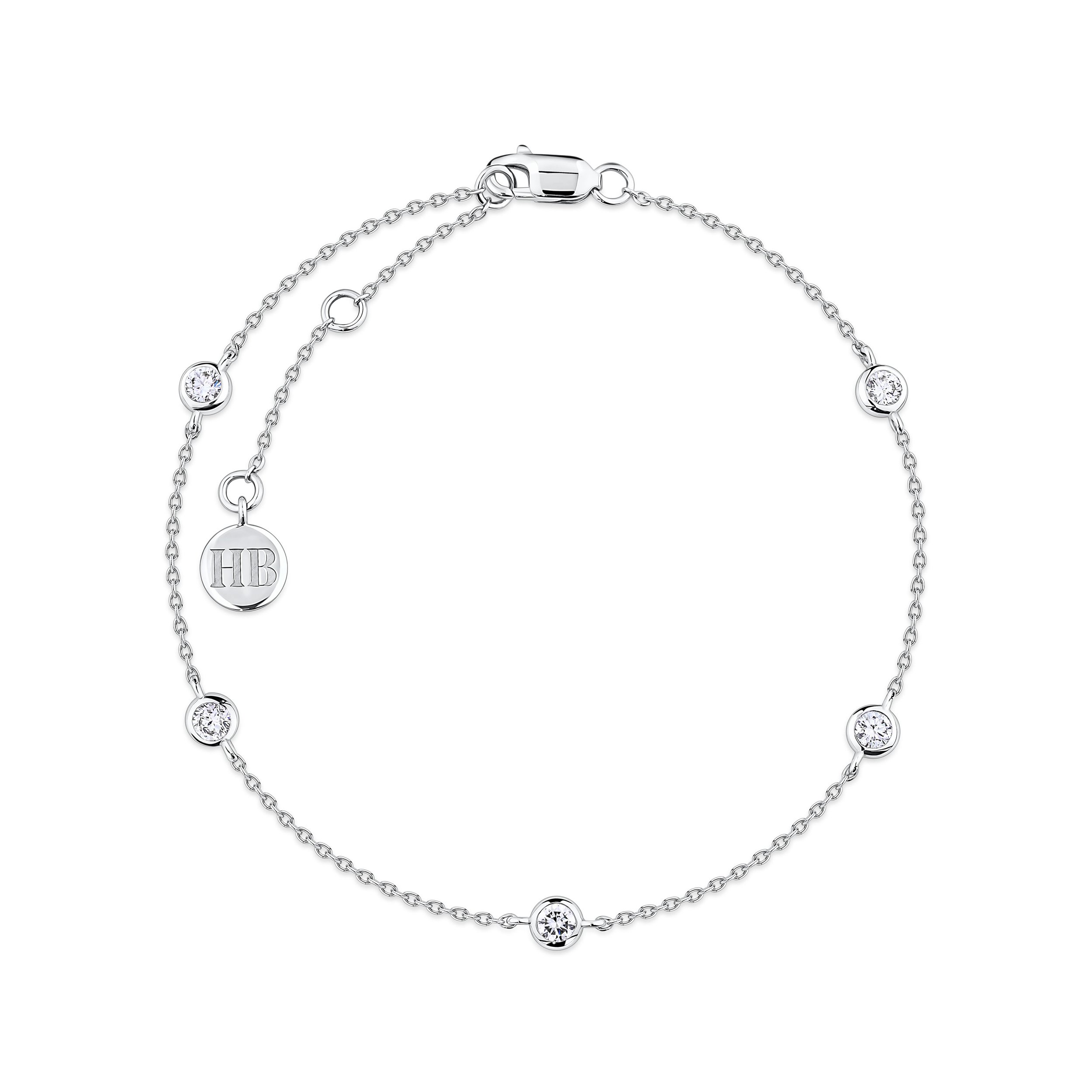
Flat lay work gives me precision—control over every millimetre of placement, every reflection, every angle.
Still life gives me freedom—space to experiment with mood, emotion, and atmosphere.
The process is slow, intentional, and detail-driven. It requires patience and repetition. Small adjustments can completely transform an image.
That’s what makes it rewarding.
I enjoy the problem-solving side just as much as the creative side—balancing reflections, shaping light, refining compositions until everything feels right.
Jewellery photography is not rushed work. It’s crafted work.
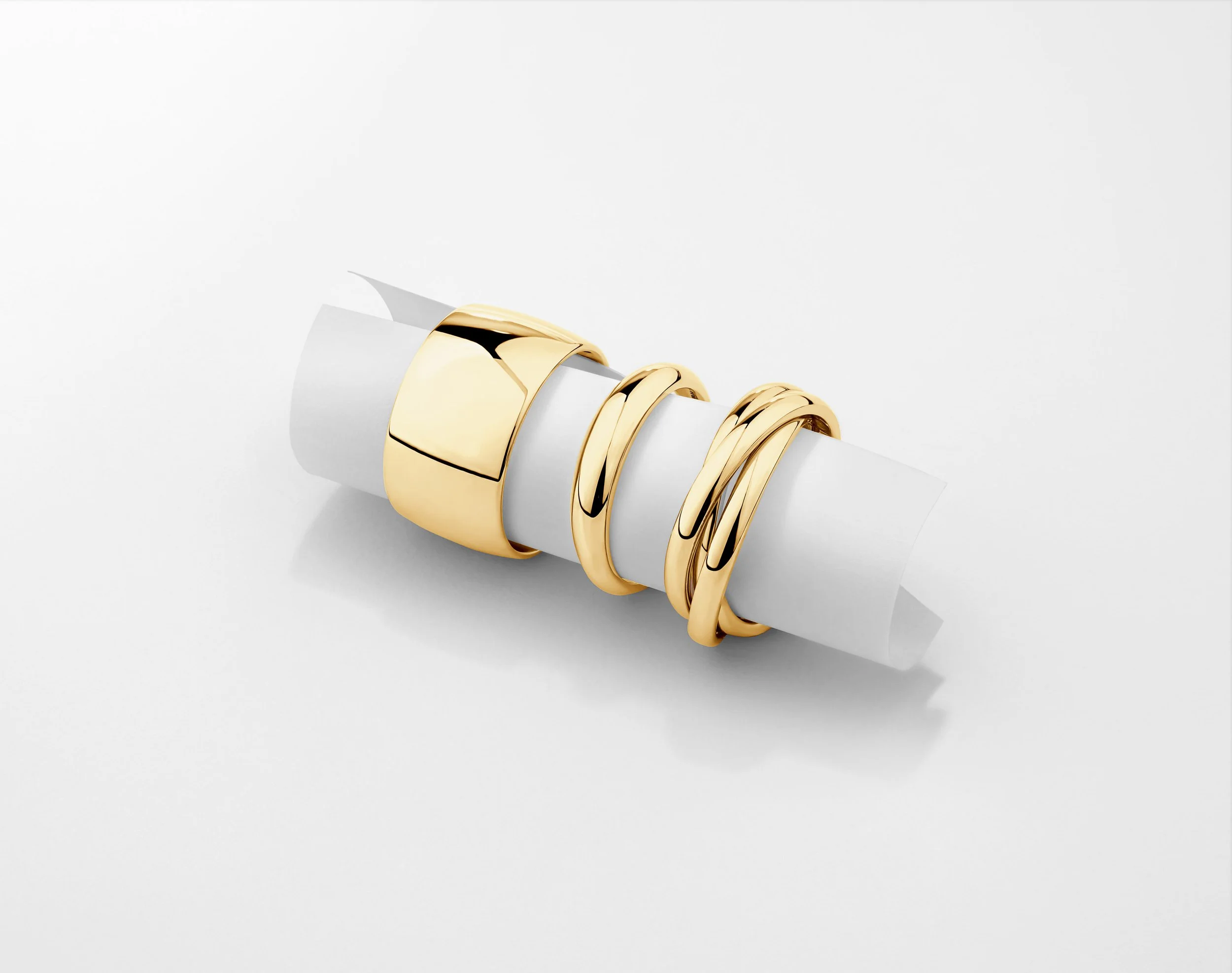
Behind the Scenes: What Clients Don’t Always See
A finished jewellery image might look effortless, but the process often involves:
Hours of styling and micro-adjustments
Testing multiple lighting setups
Controlling reflections on polished surfaces
Cleaning and preparing jewellery for shooting
Refining compositions repeatedly
Post-production retouching to remove imperfections while preserving realism
Every image is the result of controlled detail, not chance.
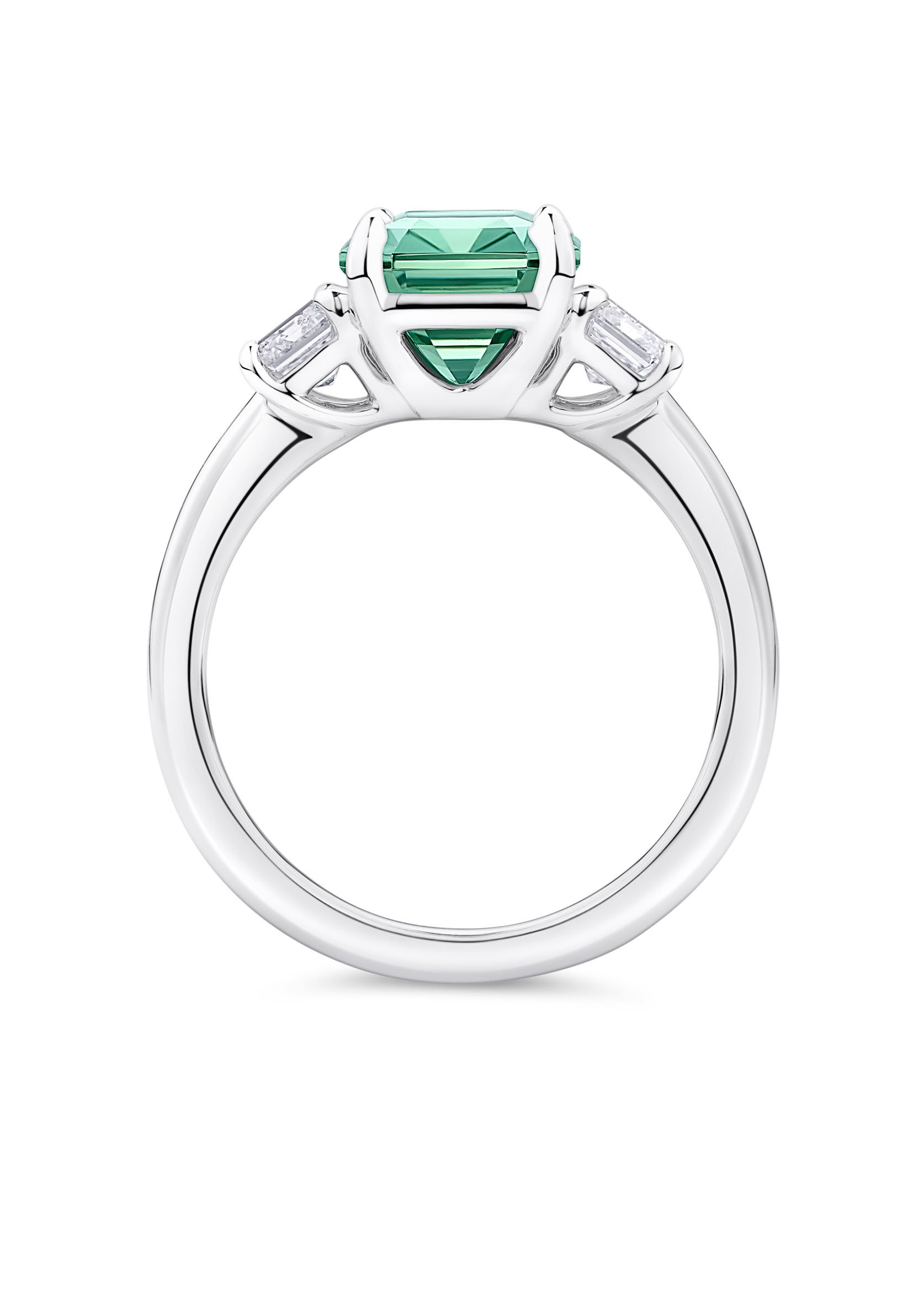
The Importance of Post-Production in Jewellery Photography
Retouching is a critical part of jewellery photography, but it must be handled carefully.
The goal is not to alter reality—it’s to refine it.
Typical post-production work includes:
Dust and scratch removal
Colour correction for metal accuracy
Shadow refinement
Background cleanup
Highlight balancing
Gemstone enhancement (without exaggeration)
Good retouching should be invisible. The jewellery should look perfect, but still real.
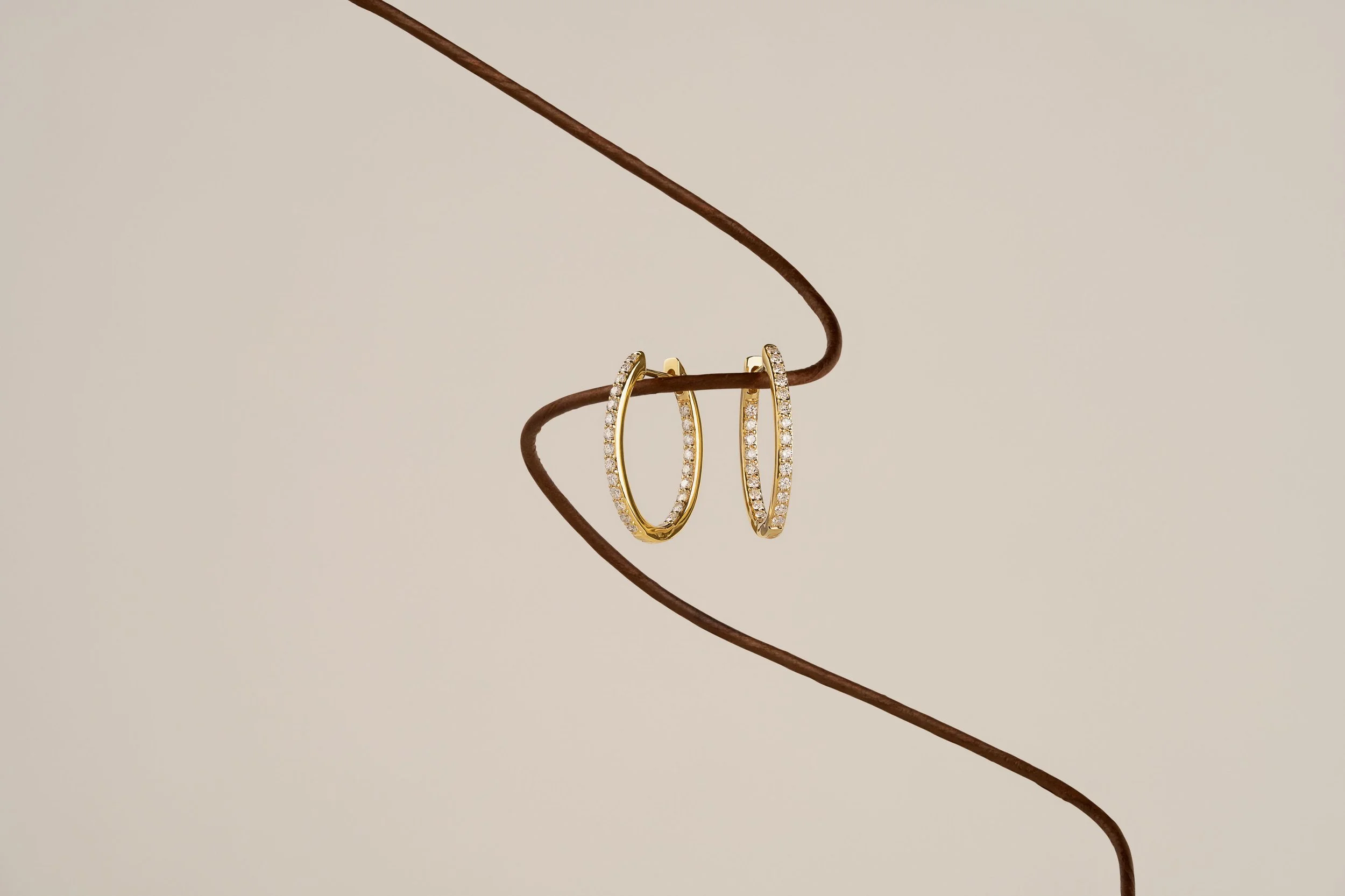
Flat Lay Jewellery Photography for eCommerce
In eCommerce environments, flat lays are incredibly effective because they:
Communicate product clearly
Maintain consistency across catalogues
Work well for mobile browsing
Adapt easily to Shopify, Squarespace, and other platforms
Flat lays also scale well for brands with large product ranges, allowing consistency across hundreds of SKUs while still maintaining visual appeal.
Still Life Jewellery Photography for Branding & Campaigns
Still life photography is where brands can truly differentiate themselves.
It is ideal for:
Hero campaign images
Seasonal marketing
Editorial storytelling
Luxury brand positioning
While flat lays are functional and structured, still life imagery creates emotional depth that helps brands stand out in saturated markets.

FAQs About Jewellery Photography
What is flat lay jewellery photography?
Flat lay jewellery photography involves arranging jewellery on a flat surface and capturing it from above, focusing on composition, lighting, and styling.
Why is jewellery photography so difficult?
Because jewellery is highly reflective and small in scale, requiring precise control of lighting, reflections, and styling.
What makes still life jewellery photography different?
Still life photography adds depth, emotion, and narrative elements beyond traditional product shots.
How does professional photography improve jewellery sales?
High-quality imagery increases trust, improves perceived value, and significantly boosts conversion rates in eCommerce environments.
Conclusion: Jewellery Photography as Craft and Storytelling
Flat lay and still life jewellery photography is more than a technical exercise—it is a creative discipline built on patience, precision, and storytelling.
It sits at the intersection of art and commerce, where every decision influences how a brand is perceived.
For me, it’s the combination of detail, light, and composition that makes it endlessly engaging. No two shoots are ever the same, and every piece of jewellery presents a new visual challenge to solve.
That’s why I continue to specialise in this space—helping brands across Australia create imagery that not only looks beautiful but also performs commercially.
Work With Me
If you’re a jewellery brand looking to elevate your product imagery with professional flat lay or still life photography, you can explore my portfolio and get in touch here: